RMT Aurora & Newmarket
Massage FAQs
Everything you need to know before, during, and after your session.
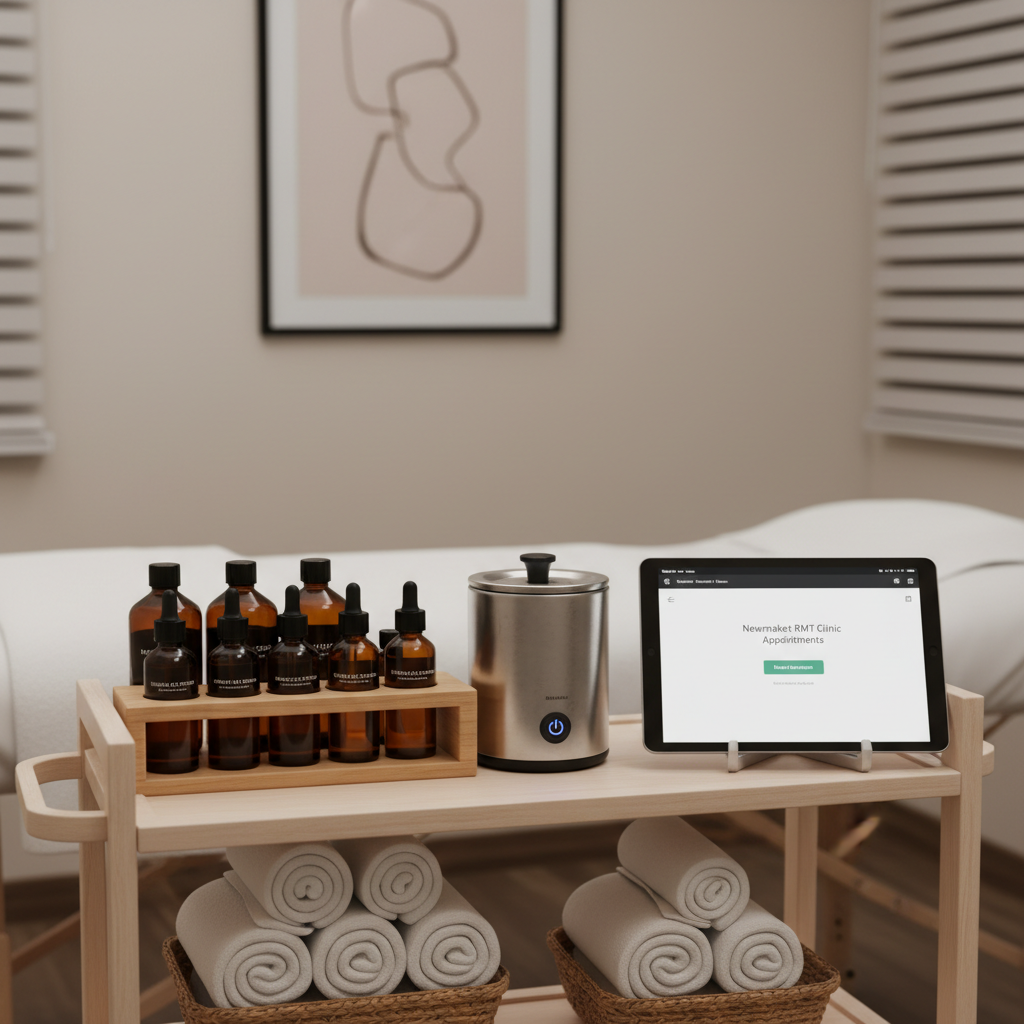
General FAQ
Before & After Your Massage
How do I prepare for my massage?
Arrive hydrated and a few minutes early so you can settle in. Let me know about any injuries, tension points, or health concerns beforehand so we can tailor the session.
What should I wear?
Wear whatever is comfortable. You’ll undress to your comfort level and remain draped with a sheet throughout, with only the area being worked on exposed at any time.
Should I eat before?
A light meal an hour or two before is ideal. Avoid a heavy meal right beforehand so you stay comfortable while lying on the table.
How will I feel after?
Most people feel relaxed and looser right away. After deeper work you may feel mild tenderness for a day or two, so drink plenty of water and take it easy.
How often should I get a massage?
It depends on your goals. For everyday tension, every three to four weeks keeps things in check. For training or specific issues, we’ll build a schedule that fits your body and lifestyle.
Mobile Massage
Mobile Massage Questions
What is mobile massage?
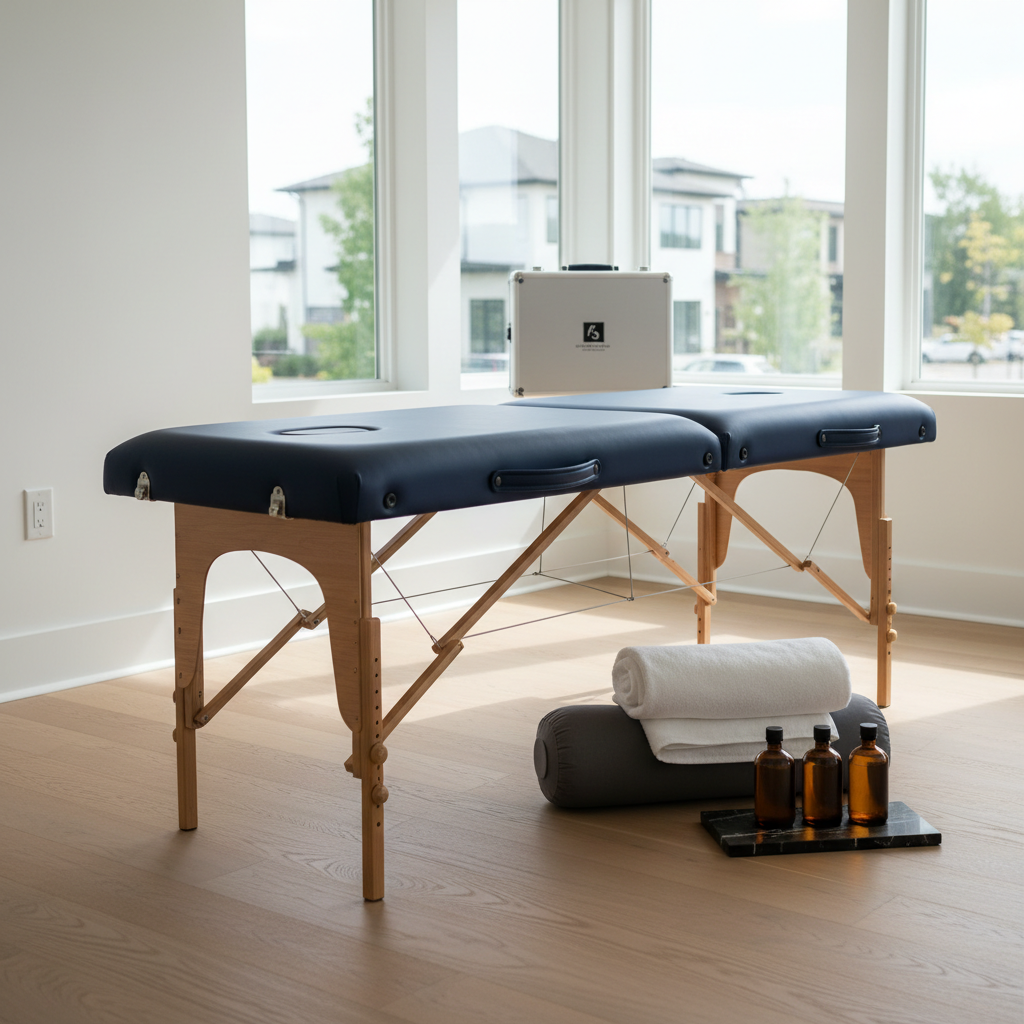
Mobile massage brings the full clinic experience to you. I arrive with a professional table and everything needed to deliver the same treatment in the comfort of your home or workplace.
How do you set up in my space?
I need only a small, quiet area — roughly the size of a parking spot. Setup takes a few minutes and I handle everything, leaving your space exactly as I found it.
What do I need to provide?
Nothing at all. I bring the table, linens, oils, and everything else. Just a spot to set up and a few minutes to relax before we begin.
What areas do you serve?
Mobile massage is available throughout Aurora and Newmarket, Ontario. Reach out if you’re just outside these areas and we’ll see what’s possible.
How do I book a mobile session?
Book online in a few taps or reach out directly. Let me know your location and preferred time, and I’ll confirm your appointment.
Is mobile massage the same quality as in-clinic?
Absolutely. You get the same registered therapist, the same techniques, and the same professional equipment — with the added comfort of not having to travel afterward.
Mobile Massage
Bringing therapeutic relief directly to you — at home, at the office, or wherever you need it.
What is mobile massage therapy?
Mobile massage therapy brings the full clinical experience to your location. Tim arrives fully equipped with a professional massage table, fresh linens, and all necessary supplies — no travel required on your part.
How much space do I need?
A clear area of approximately 7 × 10 feet is ideal. A bedroom, living room, or office space typically works well. Tim will handle setup and takedown efficiently.
What do I need to provide?
Nothing beyond the space itself. Tim brings everything needed for your session, including a massage table, linens, oils, and any specialty equipment.
What areas do you serve for mobile massage?
Mobile massage is available throughout Aurora and Newmarket, Ontario. Contact Tim to confirm availability in your specific neighbourhood.
Is mobile massage the same quality as in-clinic?
Yes. The same RMT-level assessment, technique, and therapeutic outcomes apply. Mobile sessions are simply delivered at your convenience.
How do I book a mobile session?
Book online using the link below or contact Tim directly to schedule.
Specialized Care
TMJ & Jaw Pain
Targeted relief for temporomandibular joint dysfunction — one of the most overlooked sources of chronic pain.
What is TMJ dysfunction?
The temporomandibular joint connects your jaw to your skull. Dysfunction here can cause jaw pain, clicking, headaches, neck tension, and even ear pain. Many people live with it for years without knowing massage therapy can help.
How does massage therapy help TMJ?
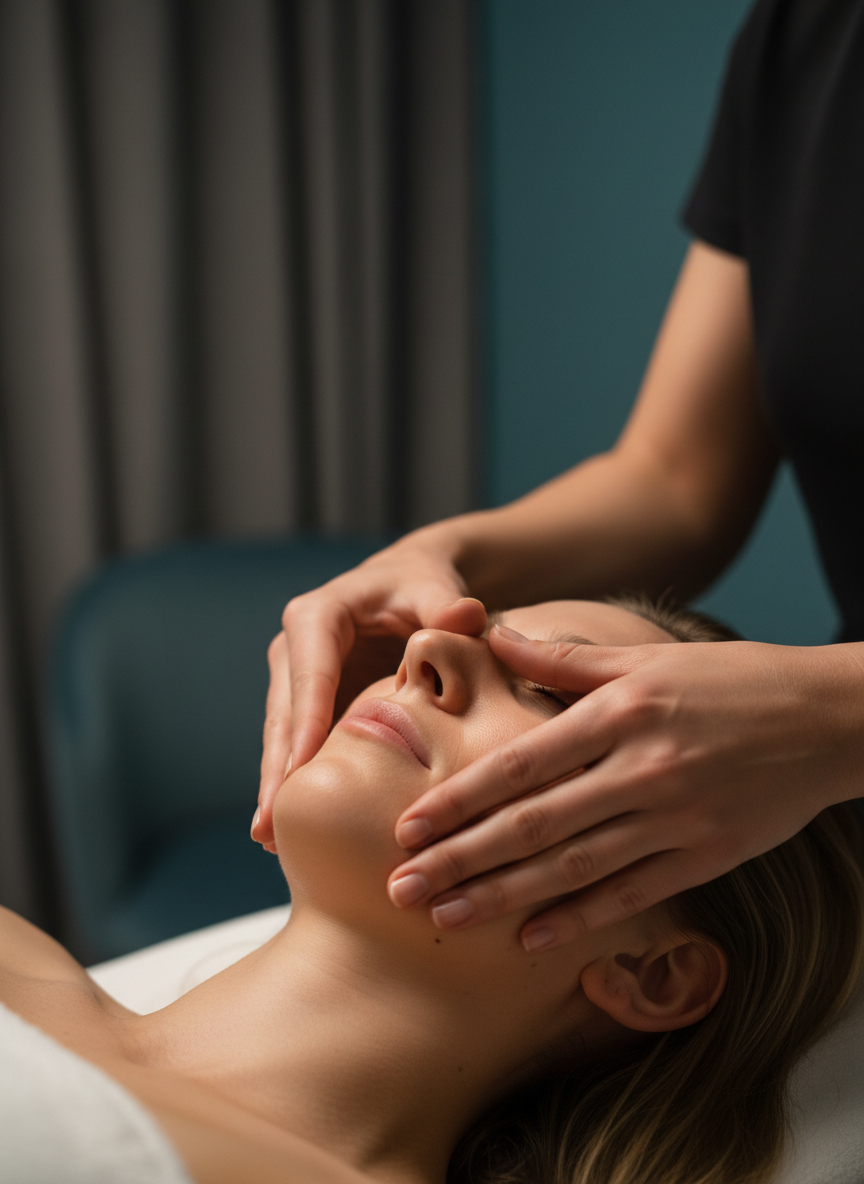
Tim works on the muscles surrounding the jaw — including the masseter, temporalis, and pterygoids — to release tension, improve range of motion, and reduce pain. Both external and (where appropriate) intraoral techniques may be used.
Who is TMJ massage for?
Anyone experiencing jaw clenching, teeth grinding (bruxism), clicking or locking of the jaw, facial tension, or chronic headaches originating near the jaw may benefit.
Will it hurt?
The area can be tender, especially on first treatment. Tim works within your comfort threshold — pressure is always adjusted to what you can tolerate and what produces results.
How many sessions will I need?
Most clients notice improvement within 2–4 sessions. Chronic or long-standing dysfunction may require more. Tim will assess your progress and adjust the treatment plan accordingly.
Can massage fix my TMJ permanently?
Massage therapy addresses the muscular component of TMJ dysfunction. Combined with habits like reducing jaw clenching and managing stress, results can be long-lasting. Tim will advise on self-care between sessions.
Specialized Care
TMJ & Jaw Treatment
What is TMJ/TMD?
TMJ/TMD refers to dysfunction of the temporomandibular joint — the hinge of your jaw. It can cause jaw pain, clicking, tightness, and difficulty opening or closing the mouth.
Can massage therapy help with jaw pain?
Yes. Targeted work on the jaw, neck, and surrounding muscles can ease tension, reduce clenching, and restore more comfortable, natural movement.
What does a TMJ treatment involve?
Treatment combines gentle external work around the jaw, face, and neck with focused release techniques, always at a pace and pressure you’re comfortable with.
How many sessions will I need?
It varies with the severity and how long you’ve had symptoms. Many people notice relief within a few sessions, and we’ll adjust the plan as your jaw responds.
Will it hurt?
TMJ work is gentle and controlled. You may feel tender spots as tension releases, but we always work within your comfort — nothing happens without your say-so.
Sport Massage
Sport Benefits
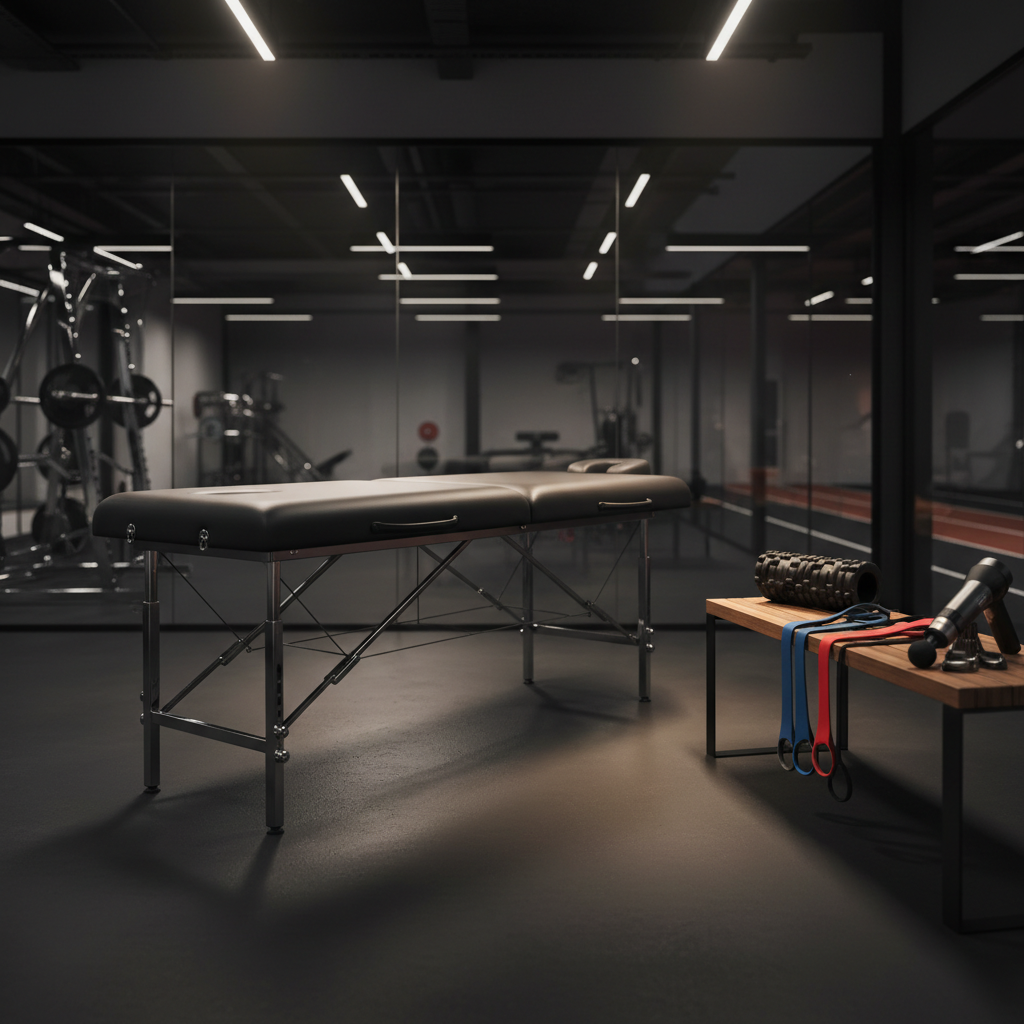
Whether you’re training for a race, recovering from a game, or pushing your limits in the gym — massage therapy is a performance tool, not a luxury.
How does massage therapy benefit athletes?
Regular massage improves circulation, reduces muscle soreness, speeds recovery between training sessions, and helps identify tightness before it becomes injury. Tim works with competitive and recreational athletes at all levels.
When should I get a massage — before or after sport?
Both have value. Pre-event massage is lighter and stimulating, designed to prime muscles for performance. Post-event massage focuses on flushing metabolic waste, reducing inflammation, and beginning the recovery process. Tim will tailor the session to your timing and goals.
Can massage therapy prevent sports injuries?
It can reduce the risk. By addressing muscle imbalances, restricted range of motion, and chronic tension before they escalate, regular massage keeps you training consistently instead of managing flare-ups.
What types of sport does Tim work with?
Running, cycling, hockey, soccer, CrossFit, powerlifting, tennis, swimming — if it stresses your body, Tim can help. The assessment approach adapts to the demands of your specific sport and training load.
How often should an athlete get massage?
During heavy training blocks, weekly or bi-weekly sessions are common. In off-season or maintenance phases, monthly is often enough. Tim will recommend a frequency based on your training volume and recovery needs.
Do I need a referral or diagnosis to book?
No referral needed. Tim assesses you on arrival and builds the treatment plan from there. If you have a known injury or diagnosis, bring any relevant documentation — it helps inform the approach.

